
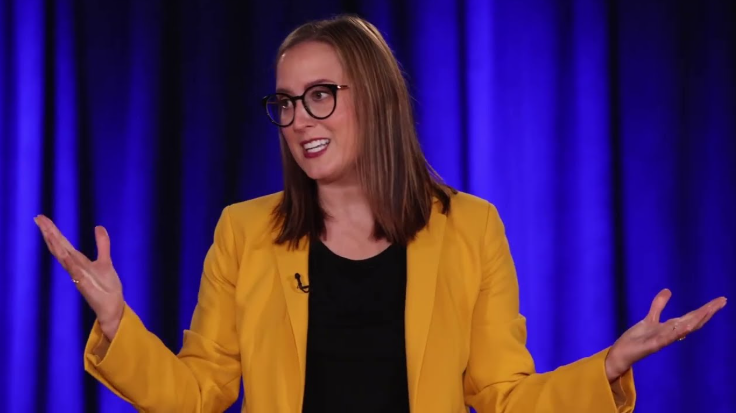
Organizations today face rapid technological advances, shifting consumer expectations, and evolving workplace cultures. In this environment, change is no longer a disruption but a constant rhythm shaping how businesses function and how people work. Yet many teams still struggle with uncertainty, hesitation, and resistance when new processes or priorities arise. This is where transformational thinking becomes essential. Keynote speakers who specialize in change leadership help audiences reframe the concept of change from something to fear into something to harness. Their insights shift mindsets, spark motivation, and equip leaders and employees with the clarity needed to navigate transformation with confidence.
The Mindset Shift Behind Transformational Thinking
Transformational thinking starts with perspective. Instead of viewing change as a threat, it encourages individuals to see it as an opportunity to grow, innovate, and evolve. Keynote speakers often focus on the internal mindset that shapes how people interpret external shifts. When individuals understand their emotional responses and cognitive patterns, they become better equipped to break old habits and embrace new ways of working.
A speaker’s role here is not merely motivational. They help audiences recognize limiting beliefs that keep teams stuck in comfort zones. By sharing real-world examples and research-backed insights, keynote experts explain how reframing challenges can unlock creativity and resilience. Transformational thinking becomes a skill that teams carry beyond the Chad E. Foster change keynote and into their daily decision-making.
Why Organizations Struggle With Change And How Keynotes Provide Clarity?
Even highly capable teams can find change overwhelming. The root cause often lies in unclear communication, emotional discomfort, or a lack of shared purpose. A change-focused keynote speaker addresses these barriers directly. Their message simplifies the complexity around transformation, breaking it into actionable principles that anyone can apply.
Keynotes are particularly effective because they step outside the company’s internal environment. Employees often respond more openly to external voices who bring fresh perspectives and relatable stories. When a speaker illustrates how successful organizations thrive by adapting quickly and staying agile, audiences begin to see that change is not chaos but a strategic advantage.
See also: Marmora, New Jersey – Premium Chauffeur & Limo Services by Optimus Fleets LLCIntroduction
Storytelling As A Vehicle For Reframing Change
One of the most powerful methods keynote speakers use is storytelling. Research consistently shows that stories help people absorb information more effectively and remember it longer. Through compelling narratives about adversity, breakthrough moments, and real-life reinvention, speakers help audiences emotionally connect with the idea of change.
Storytelling also normalizes discomfort. When teams hear stories of leaders, athletes, entrepreneurs, or everyday individuals who navigated uncertainty and emerged stronger, they begin to see that they are capable of similar growth. Stories make transformation relatable, proving that change does not require extraordinary talent but a shift in thinking and action.
Encouraging A Culture Of Experimentation And Innovation
Transformational thinking fuels innovation. When a keynote speaker encourages employees to approach change with curiosity, it reduces the fear of failure. Instead of hesitating, teams become more willing to test new ideas, explore creative solutions, and learn through experimentation.
This cultural shift can be especially impactful in industries facing rapid digital transformation. Keynote speakers often highlight how innovation thrives in environments where people feel empowered to think boldly and challenge outdated processes. The more teams practice transformational thinking, the more naturally they respond to future changes.
Building Confidence And Emotional Resilience
Change requires emotional resilience as much as strategic planning. Keynote speakers help audiences cultivate both by offering practical tools for managing stress, building confidence, and adapting with intention. By teaching strategies such as reframing obstacles, strengthening self-awareness, and maintaining focus during transition periods, speakers provide individuals with a toolkit for long-term resilience.
Emotional strength allows leaders to guide teams more effectively through uncertainty. It also helps employees maintain motivation and engagement even when faced with unfamiliar tasks or shifting expectations. When resilience becomes part of an organization’s mindset, transformation becomes smoother and more sustainable.
Inspiring Leaders To Champion Transformation
Leadership plays a defining role in how change unfolds. Keynote speakers challenge leaders to shift from managing change to championing it. Instead of reacting to disruptions, leaders learn to anticipate them, guide their teams with clarity, and model the mindset they want employees to adopt.
A transformational keynote equips leaders with approaches that inspire collective action. It encourages transparent communication, empathy, and purpose-driven decision-making. When leaders embrace transformational thinking, it cascades throughout the organization, creating alignment and shared momentum.
Final Thoughts
Change is inevitable, but how people think about it determines whether they resist or rise. Transformational thinking empowers organizations to turn uncertainty into strategy, fear into motivation, and disruption into progress. Keynote speakers play a vital role in this shift by offering clarity, perspective, and emotional insight that reframes the entire narrative around change. Through their stories, tools, and inspirational messages, they help teams understand that transformation is not an obstacle but an invitation to evolve. When organizations embrace this mindset, they move forward with confidence, creativity, and purpose.